

Responsible and Ethical AI for Future Actions
Sustainable Development through Web Article and Online Initiatives
Supported by the WUN 2024 scholarship
Artificial Intelligence (AI) is reshaping numerous sectors, impacting areas like education, healthcare, logistics, and the legal field. While AI introduces enhanced accuracy, innovation, and efficiency, it also brings about concerns related to potential risks, ethics, and long-term implications. The broader community often lacks a clear understanding of responsible AI practices, creating challenges.
This has sparked a worldwide dialogue on AI’s governance, transparency, accountability, societal, legal, environmental, and ethical dimensions, as well as its unbiased application to prevent negative consequences and biases. Tools and guidelines for Ethical AI aim to address these concerns throughout AI’s development.
Why it is important to scholars and society
The development of responsible and ethical AI faces significant challenges due to incomplete frameworks and uneven regional implementation, making standardization difficult across different areas.
Organizations often prioritize rapid AI development and deployment over ensuring responsible innovation practices, creating potential risks in AI implementation.
While ethical frameworks exist in theory, there's a substantial gap between these theoretical frameworks and practical implementation tools, making it challenging to apply ethical principles in real-world scenarios.
The absence of a unified global platform or tool to track and measure responsible AI development makes it difficult to assess progress and establish benchmarks across different regions and organizations.
A growing skills gap exists in the AI field, particularly in responsible AI implementation, highlighting the urgent need for comprehensive online training programs focusing on AI ethics and explainability.



WUN Research Team
Experts collaborating for ethical AI

Assistant Professor Dr. Tipajin Thaipisutikul
WUN 2024 Academic Lead, Faculty of ICT, Mahidol University
I am delighted to share our achievements in promoting responsible AI practices globally. Our free, multidisciplinary training program has equipped AI specialists with essential ethical and technical knowledge, and our symposium has united industry leaders to address practical challenges in AI application. These initiatives, made possible by the generous support of the WUN Research Development Fund, contribute significantly to aligning AI with societal values and sustainable development goals.

Associate Professor Amy Chan
Associate Professor Faculty of Medical and Health Sciences, Pharmacy, New Zealand
Artificial intelligence is one of the biggest developments of our lifetime, with the power to change our everyday lives. However, with great power, comes great responsibility. We need to ensure ethical and responsible use of AI all around the globe if we are to make the most of its capabilities without causing harm. The WUN Research Development Fund has brought together experts from around the world to work together to begin these important discussions on responsible use of AI. I hope this is the beginning of an ongoing, long-term collaboration and then resources that have been developed can benefit many.
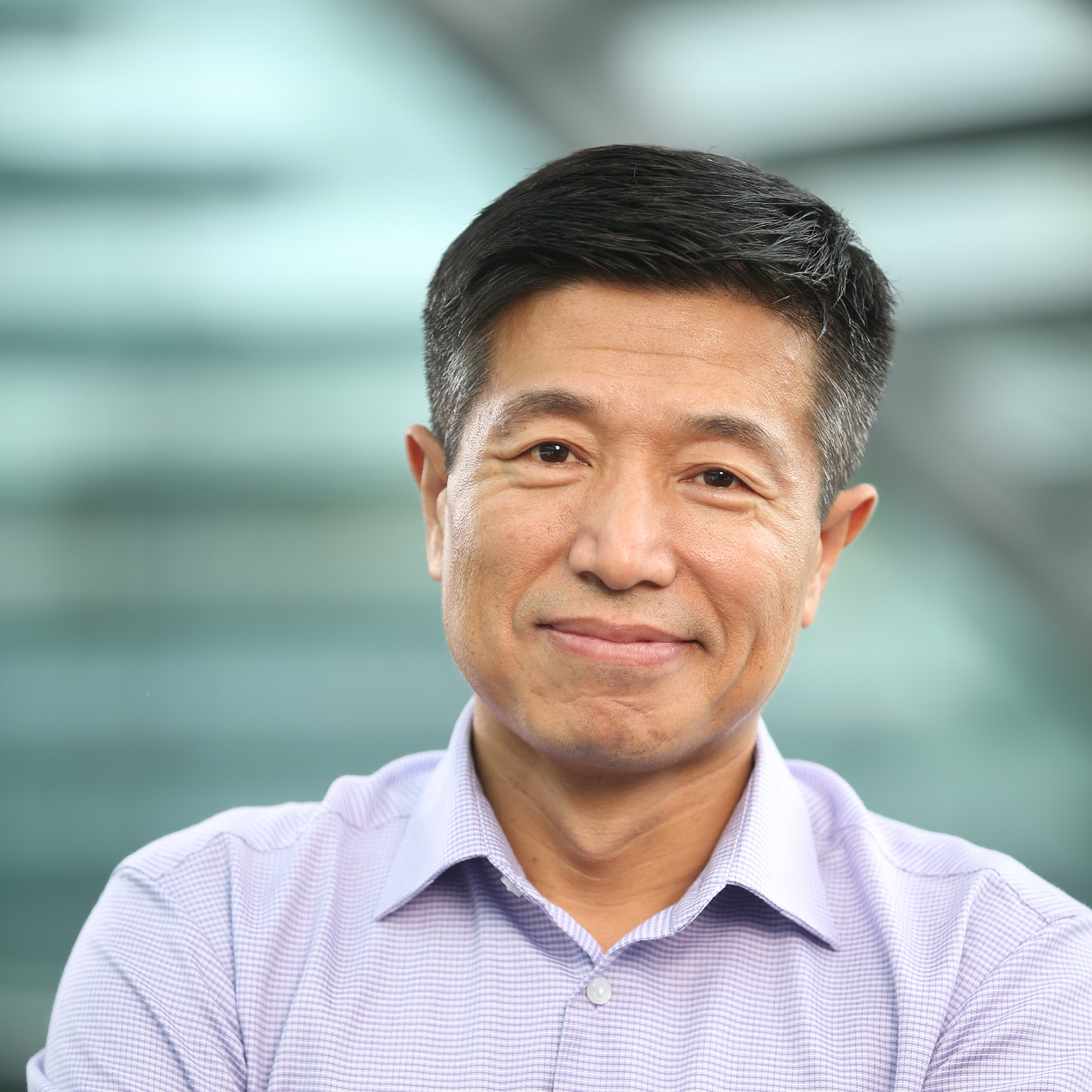
Dr. Benjamin Liu
Senior Lecturer Business School, Commercial Law, New Zealand
I am honoured to have been part of the Responsible AI project. In my view, the regulation of AI should prioritise its use by governments. Specifically, the deployment of AI has the potential to significantly enhance government power and control, raising concerns about the erosion of civil rights. It is imperative that we foster discussion and debate on the implications of government use of AI without delay.

Dr. Fabio Morreale
Associate Dean - PG Research Faculty of Creative Arts and Industries Administration, The University of Auckland
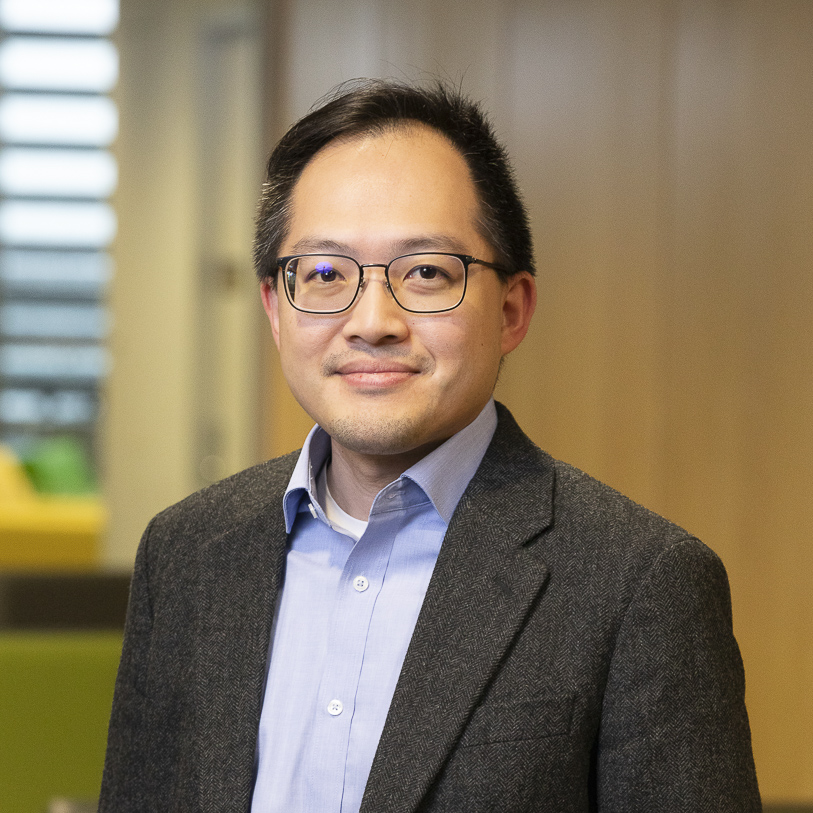
Dr. Yat Ming Ooi
Lecturer - Innovation Management The University of Auckland, Management and International Business, Auckland, New Zealand
Implementing responsible AI practices is a long journey. Think of it as a marathon. It requires pragmatism, resilience and flexibility. Importantly, being responsible is imperative for everyone, not just a selected few.

Assistant Professor Dr. Michal Natorski
Assistant Professor Maastricht Graduate School of Governance and School of Business and Economics
It has been a privilege to participate in the WUN project Responsible and Ethical AI for Future Actions. In a world where technology evolves faster than our ability to understand its implications, responsible AI governance is the foundation for a future where technology serves humanity. At the heart of responsible AI governance are fundamental ethical principles supporting universal human rights and fundamental freedoms. These principles are the basis for building a future that respects human dignity and promotes a sustainable and inclusive society.
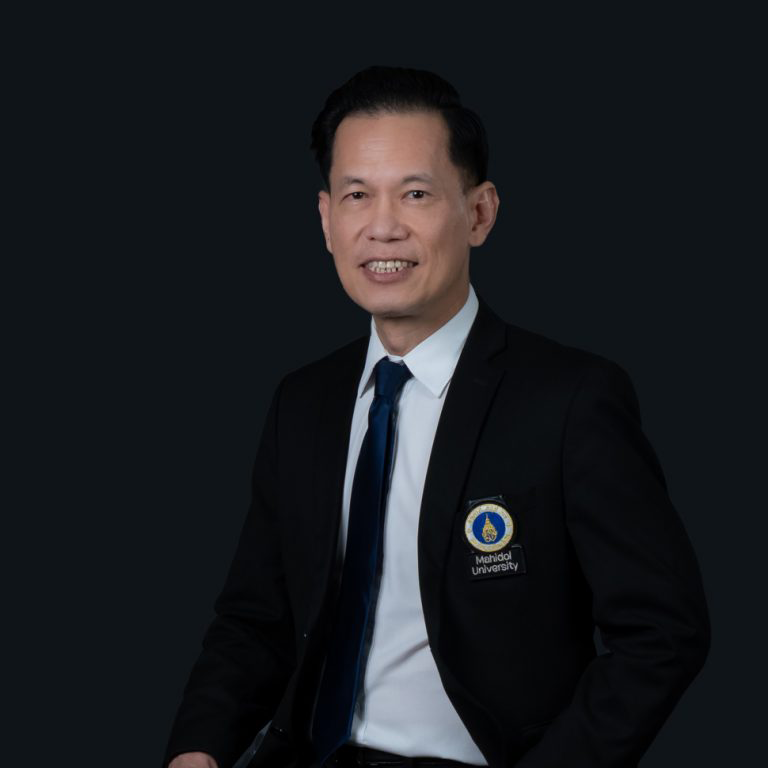

Assistant Professor Dr. Thanapon Noraset
Assistant Dean for Academic Affairs, Faculty of ICT, Mahidol University

Mutuzo Irene
Head of Business Growth and PR, Diwala and Assistant Lecturer, Makerere University
Artificial intelligence (AI) is revolutionising the way we approach challenges in education, healthcare, logistics, and many other sectors, offering unprecedented opportunities for innovation and efficiency. However, alongside these transformative benefits lies the critical need to acknowledge and address AI's potential risks and ethical concerns. If used irresponsibly, AI can perpetuate biases, harm societal structures, and have far-reaching detrimental effects. The responsibility to harness AI ethically and responsibly falls on all of us within the ecosystem—developers, policymakers, educators, and all end-users. It has been a privilege to collaborate with such an incredible team of brilliant minds dedicated to curating tools and materials that promote responsible AI practices. We hope the resources we have developed will inspire a new chapter in AI adoption that prioritises ethical considerations, amplifies AI’s benefits, and mitigates its risks. Let us all commit to leveraging AI in ways that uplift humanity and foster equitable progress for all.
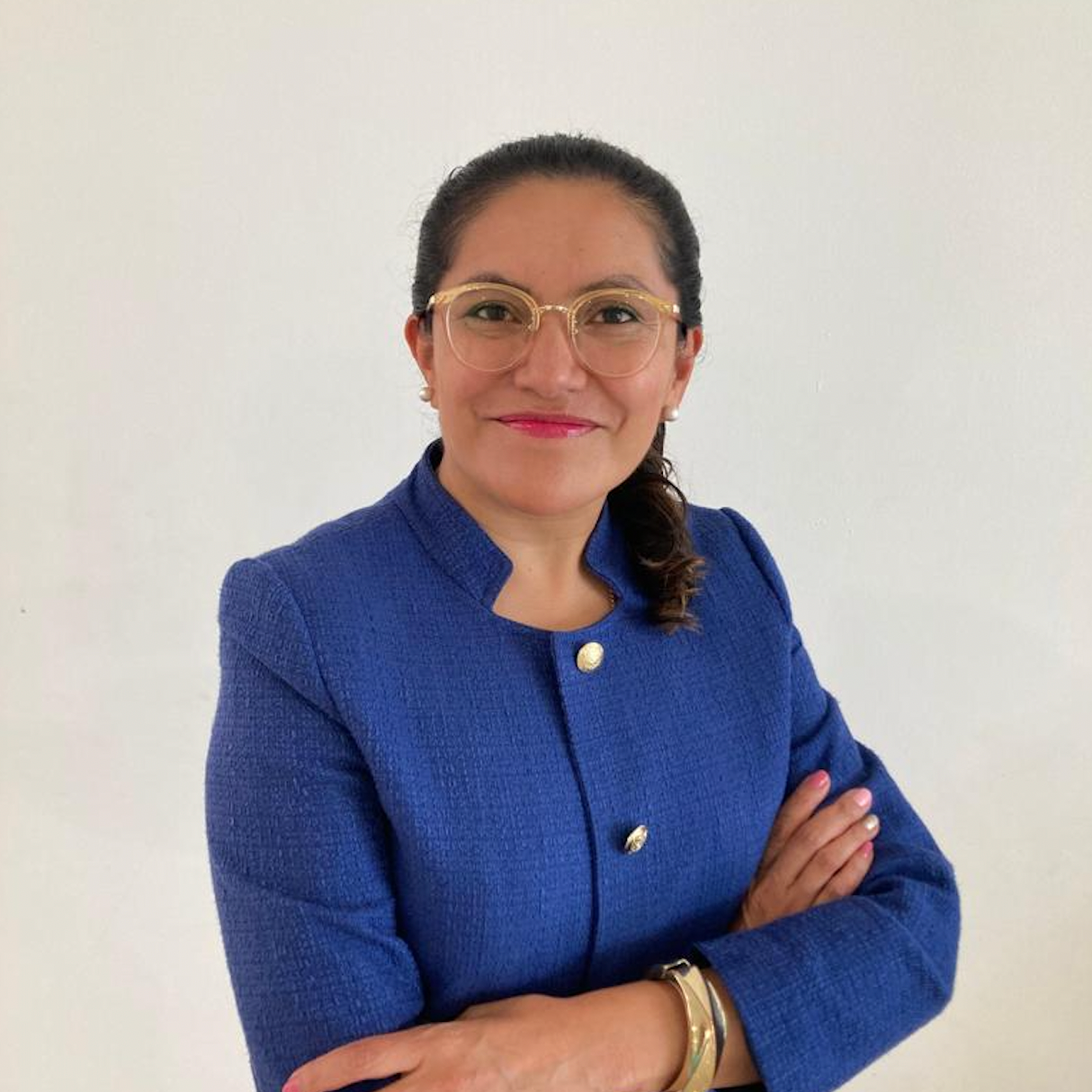
Professor Claudia Camacho-Zuñiga
Professor at Tecnológico de Monterrey
Responsible AI Project has evidenced two defining paths in human history: the extraordinary achievements that enabled the creation of AI and the critical opportunity to shape our future. AI has amplified the volatility, uncertainty, complexity, and ambiguity of our interconnected world. To navigate its implications and those of any other emerging technology, every individual and organization must embrace ethics and commit to collective well-being. Beyond a theoretical or policy concern, the ethical and responsible use of AI is a defining imperative that, alongside broader societal challenges, will shape our shared future


Dr. Avinash Singh
Researcher at University of Technology Sydney
AI is not merely a current technology, but a cornerstone of the future, already pushing the boundaries of human-AI collaboration. To fully harness this potential, the future workforce may necessitate technologies that not only empower individuals but also facilitate direct brain-computer interaction. The convergence of AI and Brain-Computer Interfaces (BCIs) holds immense promise to revolutionize how we work in future

Professor Tom Stoneham
Professor at University of York
: Responsible and Ethical development and deployment of AI is possibly the second most important issue facing humanity today, after climate change which is being made worse by AI data centres. This WUN global project, bringing together an academically and regionally diverse group of researchers has been a model of how to make progress in this space. The webinars will make an important contribution to the future

Mr Sak Segkhoonthod
ETDA Thailand, AI Governance Clinic
The future of AI depends on how responsibly we design, deploy, and govern it today. Ethical AI requires continuous dialogue, rigorous oversight, and a commitment to societal well-being. Collaboration across disciplines and borders is key to ensuring AI serves humanity, not just technology.